This bill conditions federal energy program funding on states implementing and enforcing restrictions on post-employment lobbying by former utility regulators.
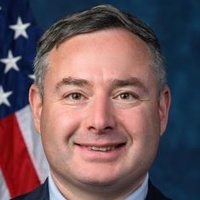
Eugene Vindman
Representative
VA-7
The Energy Utility Lobbying Ban Act incentivizes states to implement stricter ethics rules by conditioning federal energy funding on the regulation of post-employment lobbying by former utility officials. States must prohibit former regulators from advocating on behalf of utilities they previously oversaw to prevent conflicts of interest. Failure to enforce these restrictions will result in a 10 percent reduction in State Energy Program financial assistance.
Energy Utility Lobbying Ban Act: States Must Curb 'Revolving Door' for Regulators or Lose 10% of Federal Energy Funding
The Energy Utility Lobbying Ban Act is a move to stop state utility regulators from immediately jumping ship to work for the very electric companies they were just overseeing. Under this bill, the federal government would hold back 10 percent of a state’s annual energy program funding unless that state implements strict 'cooling-off' periods for former officials. Specifically, the bill targets the practice of former regulators appearing before their old agencies to advocate for utilities on matters they personally handled while in office. It’s a direct attempt to ensure that the people setting your electricity rates aren't just auditioning for a high-paying lobbyist gig at the power company.
Closing the Revolving Door
To keep their federal cash, states must pass laws that prevent former regulatory employees from lobbying their old colleagues on specific cases they worked on. Furthermore, for two years after leaving their government job, these individuals are barred from advocating for a utility if the matter was under their 'official responsibility' during their final year of service. Imagine a state official who just approved a rate hike for a local power plant; under this bill, they couldn't turn around three months later and walk back into that same office as a paid consultant for that plant to argue for even higher fees. This isn't just about optics; it’s about ensuring that the person deciding how much you pay for heat and lights is thinking about the public, not their next employer.
Accountability and the 'Cure Period'
The bill gives the Secretary of Energy the power to play referee. Every year, the Secretary will check if states are actually enforcing these rules. If a state is found lacking, they don't lose the money instantly—they get a 90-day 'cure period' to fix the law or beef up enforcement. If they still don't comply, the 10 percent hit kicks in, though the money can be restored the following year if they get their act together. For a state managing a large energy budget, that 10 percent could represent millions of dollars meant for weatherization or grid upgrades, making this a high-stakes incentive for state legislatures to get serious about ethics.
Real-World Friction and Enforcement
While the bill is clear about the 'what,' the 'how' falls on the states. Each state must set up a system to investigate complaints and allow people to sue for damages if a violation occurs. For a small business owner or a homeowner, this adds a layer of protection: if a utility gets a favorable ruling because of an illegal lobbying effort by a former insider, there’s a path to hold them accountable. The challenge lies in the definitions—terms like 'personal and substantial participation' can be slippery. However, by requiring a public database of compliance and offering technical assistance to states, the bill aims to make these ethical boundaries a standard part of doing business in the energy sector.