This legislation imposes comprehensive economic, financial, and energy sanctions on the Russian Federation while extending the Iran Sanctions Act of 1996 through 2031.
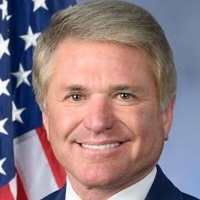
Michael McCaul
Representative
TX-10
The Lindsey O. Graham Sanctioning Russia and Iran Act of 2026 imposes sweeping economic, financial, and energy sanctions on the Russian Federation to counter its war efforts and support for global instability. Additionally, the bill extends the Iran Sanctions Act of 1996 through 2031 to maintain continued pressure on the Iranian regime. Together, these measures aim to isolate adversarial actors through targeted financial restrictions, trade barriers, and enhanced oversight.
Russia-Iran Sanctions Overhaul: New 500% Tariffs and Energy Bans to Reshape Global Trade
This bill significantly ramps up economic warfare against Russia and extends long-standing restrictions on Iran, moving far beyond simple asset freezes. Under Title I, the legislation mandates a massive 500% tariff on all Russian imports and bans the purchase of Russian uranium, which is a key component for many U.S. nuclear power plants. It also targets the global plumbing of finance by barring international payment systems from working with major Russian banks like Sberbank and Gazprombank. For the average person, this isn't just about diplomacy; it’s a move that could ripple through your monthly bills. By cutting off Russian uranium and energy exports, the bill could tighten the supply chain for power companies, potentially leading to higher utility costs for homeowners and businesses alike.
The Global Squeeze Play
One of the most aggressive parts of this bill involves 'secondary sanctions,' which essentially tell the rest of the world to pick a side. If a country continues to buy Russian crude oil or natural gas, the U.S. can slap them with tariffs of up to 100% on their own goods (Title I). Imagine a manufacturer in a third-party country that uses Russian gas to run its factory; suddenly, the products they sell to U.S. stores could double in price. This creates a high-stakes environment for international trade, where the cost of doing business with Russia becomes a massive financial liability for companies everywhere, from tech firms in Asia to manufacturers in Europe.
Access Denied at the Bank and the Border
The bill effectively builds a financial wall around Russia by prohibiting U.S. citizens and businesses from investing in the Russian energy sector or even buying Russian government debt. It also kicks Russian companies off U.S. stock exchanges, meaning if you have a retirement account or a 401(k), those Russian-linked assets are officially off-limits. For senior Russian officials and oligarchs, the bill mandates property seizures and visa bans, essentially locking them out of the U.S. economy and travel. While these measures are designed to drain the Russian war chest, they also mean that U.S. businesses with existing Russian ties have to navigate a complex and expensive 'wind-down' process to avoid massive legal penalties.
Flexibility and Long-Term Outlook
Despite the heavy-handed approach, the bill does leave some doors open. There are specific carve-outs for humanitarian aid, food, and medicine to prevent a total collapse of basic needs for ordinary people. It also includes exceptions for NASA activities and civilian nuclear cooperation, recognizing that some scientific partnerships are too integrated to cut overnight. In Title II, the bill ensures the Iran Sanctions Act doesn't expire in 2026, pushing the deadline to 2031. However, the President is given 'waiver authority,' meaning they can pause these sanctions if they certify to Congress that it’s in the national interest—a provision that keeps the door open for future diplomatic shifts, even as the current rules get much tougher.