This bill allocates $15 million annually in federal capital improvement funding to the Commonwealth of the Northern Mariana Islands to modernize its electric energy infrastructure and support local government operations.
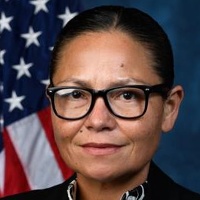
Kimberlyn King-Hinds
Representative
MP
The Affordable Power for the Northern Marianas Act allocates $15 million annually in capital improvement funding to the CNMI, beginning in fiscal year 2027. These funds are prioritized for modernizing the territory's electric energy infrastructure to improve reliability and reduce costs, with a portion also designated for immigration, labor, and law enforcement needs. This legislation provides essential support for utility stability without requiring local matching funds.
Northern Mariana Islands to Receive $15 Million Annual Boost for Power Grid Stability and Energy Costs Starting in 2027
Starting in fiscal year 2027, the Northern Mariana Islands (CNMI) are slated to receive a dedicated $15 million annual injection of federal funds. Under the Affordable Power for the Northern Marianas Act, this money is carved out from existing capital improvement funds to tackle one of the most persistent headaches for residents and business owners in the territory: the high cost and reliability of electricity. The funding will continue every year until a new long-term funding agreement is officially signed between the U.S. and the CNMI.
A Modern Spark for the Grid
The bulk of this money—at least $12 million annually—is earmarked specifically for the electric grid. Think of it as a massive maintenance and upgrade fund for everything from the power plants to the lines running down your street. According to Section 2, the funds must be used to modernize, repair, or harden infrastructure. For a small business owner who loses inventory every time the power flickers, or a family struggling with high utility bills, this is significant. The bill specifically tells the Secretary of the Interior to prioritize projects that lower electricity rates and reduce the frequency of service interruptions. By focusing on efficiency and reducing reliance on volatile fuel prices, the goal is to make monthly bills more predictable and the lights more reliable.
Balancing the Budget and the Basics
While power is the priority, the bill acknowledges that the islands have other pressing needs. Up to $3 million of the annual allocation can be diverted to handle immigration, labor, or law enforcement issues. However, there is a clear order of operations: the Secretary must ensure these social and security needs are addressed before the remaining millions flow into the power projects. This gives the local government some breathing room to manage workforce issues or public safety without having to choose between a safe neighborhood and a functional power plant. Importantly, the bill waives the typical "local matching" requirement. Usually, territories have to chip in their own cash to get federal grants, but for these energy projects, the federal government is picking up the full tab.
The Fine Print on Funding
Because this money is coming from the existing pool of funds for U.S. insular areas, you might wonder if other territories are getting shortchanged. The legislation explicitly states that it preserves the total annual amount available for other areas, ensuring this isn't a "rob Peter to pay Paul" scenario. The biggest catch is the "Successor Funding Agreement" clause. This $15 million yearly payment is essentially a bridge. The moment a new multi-year agreement (a successor to the 2004 Covenant agreement) kicks in, this specific law expires, and the new agreement’s terms take over. It’s a targeted fix designed to keep the power on and costs down until the next major diplomatic deal is inked.