This Act provides a one-year program extension and reinstatement opportunities for eligible small businesses participating in the SBA’s 8(a) Business Development Program.
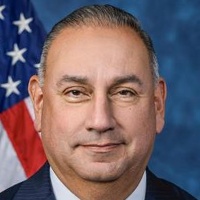
Gilbert Cisneros
Representative
CA-31
The 8(a) Small Business Integrity and Stability Act of 2026 provides a one-year program extension for eligible small businesses currently participating in the SBA’s 8(a) Program. Additionally, the bill allows for the reinstatement of certain businesses that previously withdrew or were terminated and mandates the continued application of specific social disadvantage eligibility standards.
Small Business Extension Act: SBA Program Participants Gain Extra Year as Rulemaking Deadlines Tighten
If you’re running a small business that depends on government contracts, you know the 8(a) program is a major lifeline for growth. The 8(a) Small Business Integrity and Stability Act of 2026 is stepping in to give certain firms more time on the clock. Specifically, if your business was active in the program between January 20, 2025, and September 30, 2026, the Small Business Administration (SBA) is required to tack on an extra year to your participation term. This isn't just a suggestion; the bill mandates this extension unless you choose to decline it, providing a bit more breathing room in a competitive market.
Second Chances and Reinstatements
The bill also creates a path back for businesses that were recently kicked out or walked away. Under Section 4, 'covered concerns'—businesses that were terminated for missing paperwork deadlines from the Office of Management and Budget (OMB) or those that voluntarily left the program between early 2026 and late 2026—can be reinstated. Once they’re back in, they can also elect to take that one-year extension. It’s essentially a 'undo' button for businesses that hit a bureaucratic snag or had to step back during a volatile period, treating them as if their participation never lapsed.
The SBA’s Feet to the Fire
Congress isn't giving the SBA much time to figure out the logistics. The bill requires the SBA Administrator to issue implementation rules within just 15 days of the Act becoming law. To ensure they don’t drag their feet, the bill includes a unique 'travel ban' for bureaucrats: if the final rules aren't set within 75 days, the Administrator is barred from spending any money on official travel until the job is done. While this might speed up the process for business owners waiting for clarity, it could also lead to rushed regulations that might have some rough edges for the agency to smooth out later.
Stability in the Rules
For those worried about shifting goalposts regarding eligibility, Section 5 locks in the social disadvantage rules as they stood on June 11, 2026. This means if the SBA already vetted you under those specific standards, you won't have to worry about new interpretations changing your status mid-stream. While this provides stability for current participants, it could create a two-tier system where newer applicants face different hurdles than those grandfathered in. For the average taxpayer or a small business owner not in this specific program, the main impact will be seeing how these extensions affect the competitive landscape for government contracts over the next few years.