The PROTECT Act establishes a comprehensive CDC-led initiative to research, prevent, and treat youth and young adult addiction to e-cigarettes and emerging tobacco products through public education, cessation support, and state-level funding.
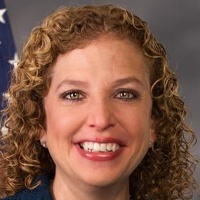
Debbie Wasserman Schultz
Representative
FL-25
The PROTECT Act establishes a comprehensive initiative to combat youth and young adult tobacco use by funding critical research, public education campaigns, and the development of effective cessation strategies. Through the CDC, this legislation supports state and local efforts to prevent nicotine addiction and improve access to treatment resources.
New PROTECT Act Targets Youth Vaping with $500 Million Research and Prevention Push Through 2031
The Preventing Opportunities for Teen E-Cigarette and Tobacco Addiction Act, or the PROTECT Act, is a direct response to the shifting landscape of nicotine. Instead of just focusing on traditional cigarettes, this bill pivots the Department of Health and Human Services (HHS) and the CDC to look specifically at e-cigarettes and "emerging tobacco products." It’s not just a set of rules; it’s a massive data-gathering and resource-deployment mission authorized to spend $100 million every year from 2027 through 2031. The goal is to figure out exactly how kids are getting these products, why they’re starting, and—most importantly—how to get them to stop once they’re hooked.
The Deep Dive into Digital Nicotine
Under Section 2, the CDC is tasked with a deep-dive research initiative. We aren't just talking about counting how many kids vape; the bill requires research into the specific tech inside these devices, the levels of nicotine they deliver, and the marketing strategies used to reach young people. For a parent or a high school teacher, this means the government is finally looking at the specific "flavors" and "messaging" that make these products so sticky for the younger generation. It also mandates looking into the link between vaping and moving on to traditional combustible cigarettes, providing a clearer picture of the long-term health trajectory for the next generation of workers.
Tools for the Front Lines
The bill doesn't just stop at research; it moves into the classroom and the doctor’s office. The Secretary of HHS is required to work with medical groups to create actual playbooks for healthcare providers and schools on how to intervene when a young person is using e-cigarettes. If you’re a pediatrician or a school counselor, this means you can expect new, standardized guidance on treatment. The initiative also focuses on "technology-delivered services"—think apps or text-based quit support—recognizing that a 17-year-old is much more likely to use a smartphone tool than a traditional hotline to kick a nicotine habit.
Funding the Local Fight
One of the most practical parts of this bill is how it handles the money. It continues funding through the CDC’s National Tobacco Control Program, sending resources directly to state, local, and Tribal health departments. This isn't just for posters in hallways; it’s specifically aimed at improving access to cessation services through Medicaid and the Children’s Health Insurance Program (CHIP). For a family on a tight budget whose teenager is struggling with nicotine dependence, this could mean better coverage for the professional help needed to quit. While the bill is broad, its success will depend on how well these local departments use that $100 million annual budget to reach the kids who are currently falling through the cracks.