The Foreign Service Language Readiness Act requires the Secretary of State to identify critical foreign languages and integrate language proficiency requirements into workforce planning, training, and national security operations.
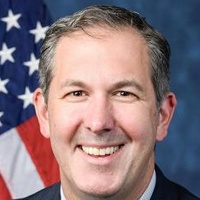
Johnny Olszewski
Representative
MD-2
The Foreign Service Language Readiness Act mandates that the Secretary of State identify and maintain a list of critical foreign languages essential to U.S. national security and economic interests. The bill requires the Department of State to integrate these language capabilities into workforce planning, training, and surge-capacity strategies. Additionally, it establishes reporting requirements to ensure Congress is informed on the Department's progress in meeting critical language staffing needs.
State Department Overhaul Targets 'Super-Hard' Languages: New Surge Reserve and Proficiency Standards Set for 2027
The Foreign Service Language Readiness Act is essentially a strategic pivot to ensure American diplomats aren't just talking, but are actually being understood in the world’s most complex geopolitical zones. Within 180 days of becoming law, the Secretary of State must designate a list of 'critical foreign languages'—think Arabic, Mandarin, or Farsi—and set hard benchmarks for what it means to be 'proficient.' This isn't just about passing a basic vocab test; the bill mandates integrating these skills into career planning and assignments, ensuring that if you're stationed in a high-stakes region, you actually have the linguistic chops to handle it. By December 31, 2027, the Department must hand over a comprehensive report card to Congress detailing exactly where their staffing gaps are and how they plan to fill them.
Speaking the Language of Security
For the average person, this bill is about ensuring that when a crisis hits abroad—whether it’s a natural disaster affecting American tourists or a sudden diplomatic standoff—the people on the ground can navigate the local environment without a middleman. The legislation specifically targets 'Category I through IV' languages, which the Foreign Affairs Manual defines as the hard and 'super-hard' ones that most U.S. students never touch. By creating a 'surge reserve' of rehired officers and cleared specialists, the government is trying to build a metaphorical 'break glass in case of emergency' team. For a business owner trying to navigate trade in a complex market or a family needing help from an embassy in a remote region, this means the person answering the phone is more likely to have a deep, functional grasp of the local reality rather than just a translation app.
The Logistics of a Global Surge
The bill also pushes for a 'work smarter, not harder' approach by requiring the State Department to coordinate with other federal agencies. The goal here is interoperability—making sure the Department of State isn't wasting tax dollars building a training program that the Department of Defense or the intelligence community already perfected. It also gives the Secretary the power to use 'limited noncareer appointments' to bring in outside experts quickly. While this adds a layer of flexibility to a notoriously slow-moving bureaucracy, the 'Medium' vagueness of the bill leaves some room for interpretation on who exactly qualifies for these surge roles and how often they’ll be used. We’re looking at a shift from a generalist diplomatic corp to one that values specialized, high-level communication as a core requirement of the job.