The Feeding Our Rural Kids (FORK) Act of 2026 establishes a pilot program providing grants to help eligible organizations purchase or maintain vehicles for delivering summer meals to children in underserved rural areas.
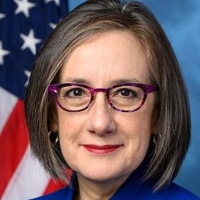
Andrea Salinas
Representative
OR-6
The Feeding Our Rural Kids (FORK) Act of 2026 establishes a pilot program to provide grants for vehicles used to deliver summer meals to children in underserved rural areas. By funding the purchase and maintenance of delivery vehicles, this legislation aims to improve food access for students in economically disadvantaged communities.
FORK Act Proposes $100,000 Grants to Put Summer Meal Programs on Wheels for Rural Kids
When school lets out for the summer, the lunchroom doors close, leaving many families in rural areas scrambling to fill the gap. The Feeding Our Rural Kids (FORK) Act of 2026 aims to bridge this distance by creating a Summer Meal Delivery Vehicle Pilot Program. Under Section 2, the USDA would offer grants of up to $100,000 to schools and nonprofits to buy, fix up, or retrofit vehicles specifically for delivering "noncongregate" meals—meaning food that can be picked up and eaten at home rather than in a crowded cafeteria. The bill authorizes $1 million annually from 2027 through 2029 to get these mobile kitchens and delivery vans on the road.
Delivering to the Doorstep
For a parent working a double shift in a town where the nearest summer meal site is twenty miles away, transportation is the biggest barrier to keeping the kids fed. This bill targets that "food desert" problem by prioritizing grants for areas outside of major cities and places with high poverty rates. Instead of requiring a student to find a ride to a central location, an eligible nonprofit could use these funds to repair an old bus or buy a refrigerated van to bring the meals directly to neighborhoods or rural community centers. By focusing on "noncongregate" delivery, the bill acknowledges the reality that for many rural families, the traditional model of eating at a school site just doesn't work with their schedules or locations.
The Logistics of Lunch
The bill keeps a tight leash on how the money is spent, requiring that no more than 10 percent of the grant—$10,000 at most—goes toward paperwork and administrative costs. This ensures the bulk of the $100,000 goes toward the actual hardware, like engine repairs or installing cooling systems for food safety. While the program is a pilot, it has a built-in accountability loop: the Secretary of Agriculture must report back to Congress within four years on how many children were reached and how the vehicles were used. This means we'll get hard data on whether a mobile delivery model actually moves the needle on rural hunger before the program is expanded further.
Navigating the Road Ahead
While the bill offers a significant boost for local organizations, the one-year grant cycle means these groups will need to be ready to hit the ground running. A small school district or a local food bank will have to manage the logistics of vehicle maintenance and staffing quickly to make the most of the funds. The bill does require the USDA to provide "technical assistance," which is policy-speak for helping these groups figure out the best way to run their routes. For the people on the ground—the bus drivers, the volunteers, and the families—this is a practical attempt to use wheels to solve a problem that geography has made difficult for decades.