The READ Act reauthorizes and reforms federal literacy grant programs to support evidence-based reading instruction aligned with the "science of reading" for students from early childhood through grade 12.
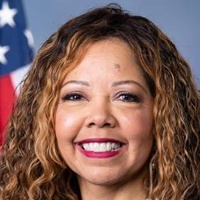
Lucy McBath
Representative
GA-6
The READ Act (Reading Excellence and Achievement for Development Act) reauthorizes and reforms the Comprehensive Literacy State Development Grants program to improve student literacy nationwide. The bill prioritizes evidence-based instruction aligned with the "science of reading," mandates universal early literacy screening, and provides targeted support for low-performing states. Additionally, it enhances research initiatives and increases transparency by requiring states to report on literacy progress and teacher preparation alignment.
READ Act Targets 4th Grade Literacy with Science-Based Instruction and Mandatory Screenings
The Reading Excellence and Achievement for Development (READ) Act is a major push to overhaul how American kids learn to read. At its core, the bill reauthorizes federal grants for states to build literacy plans from birth through 12th grade, but with a specific focus on the "science of reading." This means moving away from teaching kids to guess words based on pictures or context and instead doubling down on phonics, decoding, and vocabulary. For the 25-45 crowd—many of whom are currently helping their own kids with homework—this represents a shift toward the way many of us were taught, backed by modern neuroscience. The bill specifically targets states in the bottom 20% of reading scores, ensuring they get priority funding to turn things around.
The Science of the Syllabus
The bill introduces a rigid definition of the "science of reading" (Section 2), emphasizing that schools should focus on phonemic awareness and language structure rather than visual memory. For a parent or a teacher, this means the classroom experience might look different: more explicit instruction on how letters sound and how words are built. States receiving these grants must review their teacher preparation programs within three years to make sure new teachers are actually being trained in these methods. It’s a move to ensure that whether you’re in a high-income district or a struggling one, the instructional quality is grounded in the same evidence-based research.
Screenings, Tutoring, and the Home-School Connection
One of the most practical changes for families is the requirement for "universal early literacy screening" (Section 3). The bill mandates that students be screened at least once before the third grade to catch reading difficulties like dyslexia early. If a child is falling behind, the bill pushes for "high-impact tutoring"—defined as small-group or one-on-one sessions with trained staff that align directly with what’s happening in the classroom. Crucially, if your child is identified as at-risk, the school must notify you quickly with a plan that includes specific strategies you can use at home. It’s designed to stop the "wait and see" approach that often leads to kids falling permanently behind by middle school.
Accountability Without the Red Tape
While the federal government is putting up the money, the bill explicitly forbids the Secretary of Education from mandating a specific national curriculum (Section 4). Instead, it uses a "supplement, not supplant" rule, meaning states have to use this cash to add to their existing literacy budgets, not just swap out their own funding for federal dollars. There’s also a heavy emphasis on transparency: states have to post annual reports online showing exactly how many kids are being screened, how many are getting interventions, and how many teachers have been trained in the new methods. For the data-minded citizen, this means you’ll be able to see exactly how your state’s literacy efforts are performing compared to the rest of the country via new, easy-to-read NAEP reports.