The Environmental Health Workforce Act of 2026 aims to strengthen the public health sector by establishing national credentialing standards, creating a comprehensive workforce development plan, and expanding public service loan forgiveness for environmental health professionals.
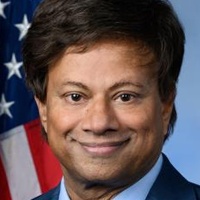
Shri Thanedar
Representative
MI-13
The Environmental Health Workforce Act of 2026 aims to strengthen the nation's public health infrastructure by addressing critical staffing shortages and training gaps. The bill directs the Secretary of Health and Human Services to establish national credentialing standards and develop a comprehensive workforce development plan. Additionally, it expands Public Service Loan Forgiveness eligibility to include accredited environmental health professionals to help recruit and retain essential workers.
Environmental Health Workforce Act of 2026 Expands Student Loan Forgiveness and Sets New National Standards for Public Safety Workers
The Environmental Health Workforce Act of 2026 aims to replenish a dwindling workforce by establishing national credentialing standards and adding environmental health workers to the Public Service Loan Forgiveness (PSLF) program. Under Section 6, full-time employees who investigate hazardous environmental agents—like lead in water or food safety risks—will qualify for federal loan forgiveness if they hold a valid state license or certification. The bill also requires the Department of Health and Human Services (HHS) to develop a comprehensive workforce development plan within two years to address the 22% drop in state and local public health jobs reported since 2008 (Section 2).
A Lifeline for Local Health Heroes
For the people who inspect your local restaurants, test public swimming pools, or check for mold in apartment buildings, this bill is a major career boost. By amending the Higher Education Act of 1965, the bill makes these roles eligible for the same loan forgiveness benefits currently enjoyed by teachers and nurses. If you’re a recent grad working a grueling schedule at a county health department, this could mean the difference between staying in the field or jumping to a higher-paying private sector job just to cover your student debt. It’s a move designed to stop the 'brain drain' caused by the upcoming retirement of the Baby Boomer generation.
Setting the Bar for Safety
Right now, only 27 states require a third-party credential for environmental health workers, creating a patchwork of standards across the country. Section 3 of the bill tasks the Secretary of HHS with creating 'model standards and guidelines' for credentialing within one year. This isn't just bureaucratic paperwork; it’s about ensuring that the person testing the air quality in your child’s school has the same level of expertise whether you live in Maine or Montana. The bill also orders a 'deep dive' report comparing three states that require these credentials against three that don’t, looking at everything from educational backgrounds to how often safety exams are updated (Section 5).
The Road Ahead and Practical Realities
While the bill offers technical assistance to help tribal and local governments adopt these new standards, the 'model guidelines' are not a federal mandate—states still have the final say on whether to adopt them. The real impact will likely be felt in the 'Environmental Health Workforce Development Plan' required by Section 4. This plan must identify specific gaps in the current workforce and list the exact actions (and new laws) needed to fix them. For the average person, this means more eyes on potential hazards, but the success of the bill hinges on whether local governments actually use the federal 'model' to beef up their own hiring and training requirements.