This joint resolution disapproves the Department of Education’s "Postsecondary Student Success Grant" rule, preventing it from taking effect.
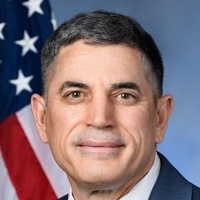
Andrew Clyde
Representative
GA-9
This resolution invokes the Congressional Review Act to formally disapprove the Department of Education’s "Postsecondary Student Success Grant" rule. If enacted, this measure would prevent the rule from taking effect and strip it of any legal force or authority.
Congress Moves to Block Postsecondary Student Success Grant Program in New Resolution
This joint resolution uses the Congressional Review Act to officially disapprove a rule submitted by the Department of Education regarding the "Postsecondary Student Success Grant." By invoking this specific legislative tool, Congress isn't just pausing the program; it is ensuring the rule—published at 89 Federal Register 48517—has no legal force. If this resolution moves forward, the framework for these specific grants effectively vanishes, preventing the Department of Education from implementing the program as planned.
Class Dismissed Before It Starts
The primary impact of this resolution is the immediate halt of federal funding aimed at improving student retention and graduation rates. For a student at a community college or a state university who is struggling to stay enrolled due to lack of support services, this means the specialized help envisioned by the grant program won't be arriving. The rule was designed to provide institutions with the resources to help students cross the finish line, but under this resolution, those specific federal dollars are off the table. Educational institutions that were preparing to apply for these funds to bolster their tutoring, advising, or career services will now have to look elsewhere or scrap those expansion plans entirely.
The Oversight Power Play
From a policy perspective, this move is a classic exercise of congressional oversight. By striking down the rule, legislators are asserting that the executive branch overstepped its bounds or that the spending isn't a priority in the current budget. For the average taxpayer, this might look like a win for fiscal restraint, as it prevents new government spending on a grant program that hasn't yet proven its worth. However, it also creates a vacuum in federal education strategy; by simply nullifying the rule without proposing an alternative, the resolution leaves the existing challenges of postsecondary completion unaddressed.
Real-World Ripple Effects
The consequences will be felt most sharply by the Department of Education and the schools that rely on federal guidance to shape their success programs. When a rule is disapproved this way, the agency is generally prohibited from issuing a "substantially similar" rule in the future without new authorization from Congress. This means the path for federal student success initiatives just got a lot narrower. For the 25-to-45-year-old worker considering going back to school or the parent of a college-bound teen, the lack of these grants could mean fewer support systems are available at the local college to ensure that the time and money invested in a degree actually result in a diploma.