This resolution disapproves the EPA’s decision to grant California a waiver for its Advanced Clean Car Program and state motor vehicle emission standards.
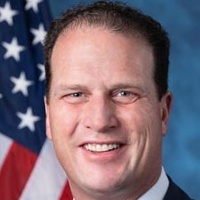
August Pfluger
Representative
TX-11
This joint resolution seeks to nullify an EPA rule that granted California a waiver to enforce its own Advanced Clean Car Program and stricter motor vehicle pollution standards. If passed, this measure would revoke the EPA’s decision and strip the rule of any legal force or effect.
Congress Moves to Nullify California’s Stricter Auto Emission Rules: Federal Waiver Face-Off
This joint resolution is a direct strike on California’s ability to set its own rules for car pollution. By using the Congressional Review Act, lawmakers are looking to permanently scrap a 2022 Environmental Protection Agency (EPA) decision (87 FR 14332) that gave California a 'waiver' to enforce its Advanced Clean Car Program. If this passes, the EPA’s permission slip for California is legally voided, effectively ending the state's power to require car manufacturers to meet higher standards for tailpipe emissions and zero-emission vehicle sales than the rest of the country.
The End of the Two-Standard System
For decades, California has had a unique legal carve-out to set tougher air quality rules because of its historic smog issues. This bill hits the 'undo' button on that authority. For a software developer in San Francisco or a construction worker in Los Angeles, this could eventually mean a shift in what cars are available on the lot. The Advanced Clean Car Program specifically pushes for more electric vehicles (EVs) and hybrids; without it, the mandate for dealerships to stock a certain percentage of clean-energy vehicles in the state disappears. While this might simplify things for a car manufacturer who wants to build one version of a truck for the whole country, it removes the local legal teeth California uses to fight its specific air quality challenges.
Impact on Your Wallet and the Air
There is a real-world tug-of-war here between immediate costs and long-term health. On one hand, removing these standards could prevent the price of new gas-powered cars from rising, as manufacturers wouldn't have to invest as heavily in California-specific tech or EV subsidies. On the other hand, for parents in high-traffic areas like the Inland Empire, the bill removes a primary tool used to lower nitrogen oxide and particulate matter in the air. Public health groups often point to these standards as essential for reducing asthma rates and hospital visits. By nullifying the waiver, the bill ensures that federal standards—which are often less stringent—become the only ceiling for vehicle pollution.
A Ripple Effect Beyond State Lines
This isn't just about California. Currently, 17 other states often follow California’s lead on emissions. If California loses its waiver, those states lose their legal foundation to enforce those same high standards. This creates a massive shift in the national automotive market. While it provides 'regulatory certainty' for big auto brands who hate juggling different rules for different states, it also means that the transition to electric and high-efficiency vehicles might slow down significantly. For the average person, this bill is essentially a choice between maintaining a unified national market for cars or allowing states to act as 'laboratories' for aggressive environmental policy.