This bill nullifies the Bureau of Consumer Financial Protection's rule that withdrew its policy statement on prohibiting abusive acts or practices.
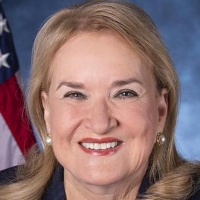
Sylvia Garcia
Representative
TX-29
This resolution seeks to disapprove the Bureau of Consumer Financial Protection's (BCFP) recent rule that withdrew a previous policy statement on abusive acts or practices. By disapproving this action, Congress effectively nullifies the BCFP's withdrawal rule. This means the original policy statement regarding the prohibition on abusive acts or practices remains in effect.
Congress Reinstates Ban on Abusive Financial Practices, Overturning CFPB Withdrawal
Alright, let's talk about something that actually matters to your wallet and your peace of mind. Congress just stepped in to put a stop to a move by the Bureau of Consumer Financial Protection (CFPB) that would have, well, un-stopped some potentially shady financial practices. Essentially, they're saying, "Nope, we're keeping those consumer protections right where they are."
What Just Happened?
So, here's the deal: the CFPB had previously issued a policy statement outlining what counts as "abusive acts or practices" in the financial world. Think predatory lending, hidden fees that pop up out of nowhere, or other tricks designed to nickel-and-dime you. That policy was a big win for consumers because it gave the CFPB clear guidelines to go after bad actors. But then, the CFPB tried to withdraw that policy statement, which would have made it harder to crack down on these abusive practices. This joint resolution from Congress, however, explicitly disapproves of that withdrawal. It states that the CFPB's rule to withdraw the policy (published in the Federal Register at 88 Fed. Reg. 21883 and 90 Fed. Reg. 20084) now has "no legal force or effect." Basically, Congress hit the rewind button.
Back to Basics: Protecting Your Wallet
What this means for you, whether you're trying to get a mortgage, apply for a credit card, or just manage your bank account, is that the original guardrails against abusive financial behavior are firmly back in place. The CFPB's ability to identify and take action against practices that are deemed "abusive" remains strong. This isn't some abstract legal maneuver; it's about making sure financial institutions play by the rules and don't try to pull fast ones on regular folks. For instance, if a bank were to suddenly introduce an obscure fee that's designed to trip you up financially, the CFPB still has the clear policy framework to say, "Hold on a minute, that's abusive, and you can't do that."
Who Benefits?
Pretty much anyone who interacts with the financial system. If you're a small business owner relying on clear loan terms, a student navigating student loans, or just someone trying to save for retirement, this resolution helps ensure that the rules of engagement are fair. It reinforces the idea that there are limits to how far financial companies can push the envelope when it comes to extracting money from consumers. While some financial institutions might have preferred the CFPB to withdraw its policy, this congressional action keeps the focus on consumer protection, making it harder for them to engage in practices that could be harmful to your financial well-being.