This bill authorizes the use of the U.S. Capitol rotunda for the lying in state of seven Army service members who served in Operation Epic Fury.
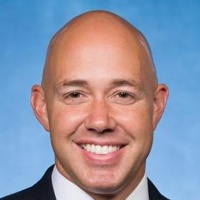
Brian Mast
Representative
FL-21
This bill authorizes the use of the U.S. Capitol rotunda for the lying in state of seven Army service members who served in Operation Epic Fury. It directs the Architect of the Capitol to coordinate the necessary arrangements under the guidance of Congressional leadership.
Seven Fallen Soldiers to Lie in State: Capitol Rotunda Authorized for National Tribute Following Operation Epic Fury.
This concurrent resolution authorizes the remains of seven U.S. Army service members—Major Jeffrey R. O’Brien, Captain Cody A. Khork, Chief Warrant Officer 3 Robert M. Marzan, Sergeant First Class Noah L. Tietjens, Sergeant First Class Nicole M. Amor, Sergeant Declan J. Coady, and Sergeant Benjamin N. Pennington—to lie in state in the U.S. Capitol rotunda. The bill serves as a formal recognition of their distinguished service during Operation Epic Fury and sets the wheels in motion for one of the highest honors the nation can bestow upon its military members. While the specific dates for the ceremony will be determined by the Speaker of the House and the President pro tempore of the Senate, the bill provides the immediate legal green light to transform the Capitol into a place of national mourning.
Logistics of a National Honor
To make this happen, the bill directs the Architect of the Capitol to take charge of the physical arrangements. In real-world terms, this means the Architect’s office will handle the logistics of the rotunda, from the placement of the catafalque (the wooden platform used to support the caskets) to the coordination of public or private viewing hours. For the families of these seven individuals, this isn't just a bureaucratic procedure; it’s a massive logistical and symbolic undertaking that elevates their loved ones' sacrifices to the same stage where presidents and legendary statesmen have been honored.
Recognizing the Sacrifice
By naming each individual and their specific operation, the resolution ensures that the record of their service is permanently etched into the history of the Capitol. For the average citizen or fellow service member, this bill represents a rare moment where the machinery of government pauses to acknowledge the human cost of military operations. Because the bill is highly specific and ceremonial, there is very little vagueness; it is a straightforward directive to honor these specific soldiers, ensuring that the administrative responsibilities are clearly assigned to congressional leadership and the Architect of the Capitol to avoid any procedural delays in the tribute.